Do Refrigerator Water Filters Work?
Part of our guide: Water quality and certifications📌 Key takeaways Yes, a certified fridge filter reduces the contaminants it is...
 By Ethan Marlowe
Published October 25, 2026
Part of our guide: Water quality and certifications
- Yes, a certified fridge filter reduces the contaminants it is certified for, as long as you replace it on schedule.
- Certification matters more than brand: look for NSF/ANSI 42, 53, 401 or 372 on the package.
- Fridge filters are not designed to remove everything; check the list of reduced substances.
Contents: 🔎 How they work · 📉 What certifications mean · 📆 Keeping them working
🔎 How they work
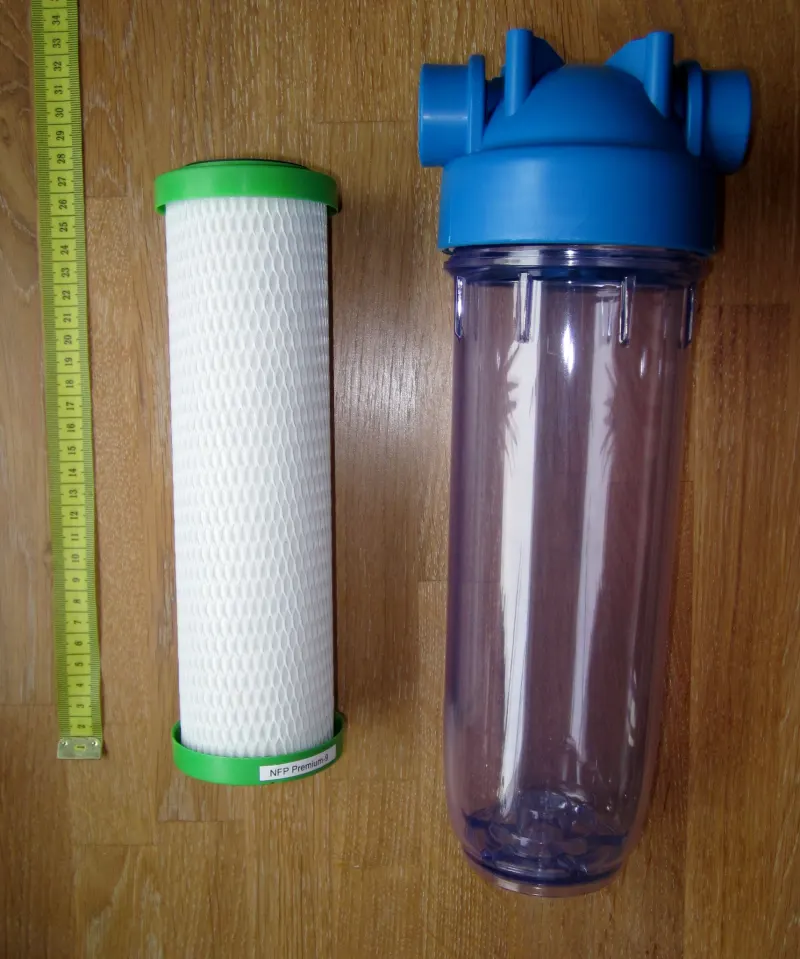
Most refrigerator filters are activated-carbon blocks. Water is pushed through the carbon, which traps chlorine and many organic compounds and improves taste and smell. Finer blocks can also catch particles and some metals such as lead.
📉 What certifications mean
- NSF/ANSI 42: aesthetic effects such as chlorine taste and odor.
- NSF/ANSI 53: health-related contaminants, for example lead.
- NSF/ANSI 401: some emerging contaminants.
- NSF/ANSI 372: low lead content of the filter materials.
A filter that lists a standard on the box is only certified for the substances in that listing. Compare the listing for the genuine and the compatible filter before buying.
📆 Keeping them working
Replace the cartridge about every 6 months. An old filter is the main reason a fridge filter seems not to work. Find yours with the filter finder.
This article was written by the MatchMyFilter editorial team from published standards and manufacturer listings. We do not run lab tests. As an Amazon Associate I earn from qualifying purchases.
Find the right filter for your model
Filters are not interchangeable between brands. Look up your model first, then check the part number on the listing matches. Some common genuine filter codes: Use the filter finder to look up your model number.
Not sure which one you have? Our guide to finding your refrigerator model number shows where to look.
How NSF/ANSI Certification Validates Filter Performance
Independent certification bodies like NSF International, IAPMO R&T, and the Water Quality Association subject water filters to rigorous testing protocols across thousands of gallons. Cartridges certified to NSF 53 demonstrate verified chemical and particulate reduction under varying water pressure conditions, giving homeowners documented proof of contaminant removal rather than unverified marketing claims.
The Difference Between Point-of-Use and Whole-House Filters
Refrigerator water filters are considered point-of-use (POU) filtration systems. Because they treat water immediately before it enters your glass or ice mold, they provide concentrated filtration for drinking and cooking without the massive pressure drops or plumbing overhauls associated with point-of-entry whole-house systems. For municipal water users, a certified NSF 53 refrigerator filter offers an ideal balance of convenience, contaminant reduction, and cost efficiency.
Regular maintenance ensures that your refrigerator dispenser operates at peak mechanical efficiency while delivering verified contaminant reduction day after day.
More on this topic: Water Quality and Certifications for Refrigerator Filters
Related guides
Browse all refrigerator water filter guides
About the author
Ethan Marlowe is the Lead Technical Editor and Appliance Filtration Specialist at MatchMyFilter. He specializes in home appliance maintenance, water filtration mechanics, and independent verification of NSF/ANSI standards (NSF 42, 53, and 401) across major US refrigerator brands.